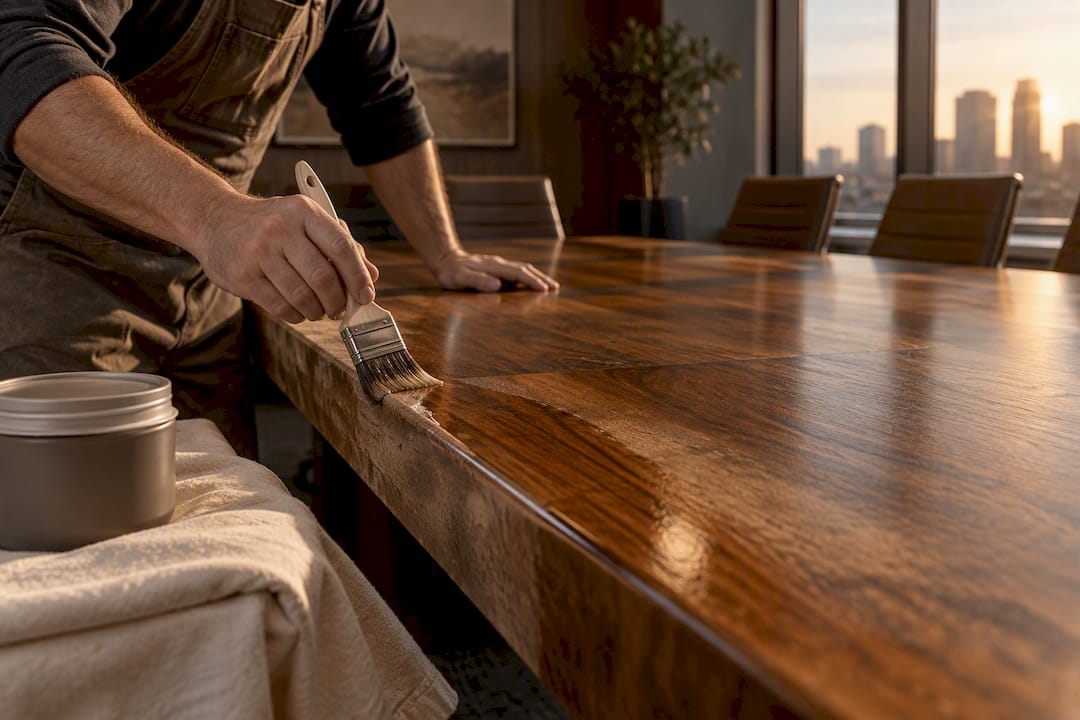

For most horizontal wood decks, a penetrating semi-transparent stain hits the best balance of looks, protection, and manageable upkeep. It shows off the grain, resists peeling better than film-forming finishes, and needs a fresh coat every few years. The exceptions: a badly weathered or patched deck usually needs a solid stain to hide the damage, and a premium hardwood like ipe often looks best left nearly bare under a clear or transparent finish.
TL;DR:
- Semi-transparent stains offer the best balance for most decks, providing UV protection while allowing the wood grain to show through for 2 to 3 years of durability.
- Penetrating stains, especially semi-transparent types, handle freeze-thaw cycles better than film-forming solids, making them more suitable for Canadian climates.
- Proper preparation, including cleaning, sanding, and timing application around weather, is crucial to maximize stain lifespan and prevent early peeling or failure.
- Oil-based stains penetrate deeper but may struggle in cold or damp conditions, whereas water-based stains dry faster and are more eco-friendly with lower VOC emissions.
- Professional staining services emphasize thorough prep and weather considerations, often charging based on deck condition, with typical costs varying by size and complexity.
Table of Contents
- Deck Stain Opacity Types Explained
- Penetrating vs. Film-Forming, Oil vs. Water
- Matching Stain Type to Your Wood and Deck Condition
- How Long Deck Stains Actually Last
- How to Choose the Right Deck Stain
- What a Professional Painter Watches For
- VOC Levels and Eco-Friendly Deck Stain Options
- Cost Comparison of Deck Stain Types
- How Weather and Climate Affect Stain Choice
- A Painter’s Honest Take on Choosing a Stain
- Get a Professional Deck Stain Job Done Right
- Sources
- FAQ
Deck Stain Opacity Types Explained
Every deck stain falls somewhere on a spectrum from “barely there” to “basically paint,” and where it lands determines both how your deck looks and how long that look survives a Canadian winter.
Clear or transparent stains contain little to no pigment. They let the wood grain show through almost untouched, which is why they show up on premium species where the grain is the whole point. The tradeoff is UV protection: with little pigment to block sunlight, these finishes break down fast and often need reapplication within a year.
Semi-transparent stains add a light tint while still letting grain and texture show. This is the category most pro guides point to as the practical sweet spot for everyday deck boards, because the added pigment buys real UV protection without hiding the wood.
Semi-solid stains sit in between: enough pigment to mute the grain and mask minor blemishes, but not a full opaque coat.
Solid stains behave more like a tinted paint. They hide the wood grain entirely and cover stains, gray patches, and old repairs that lighter finishes would only highlight.
The pattern is simple: more pigment means more UV protection but less visible wood.
- Clear/transparent: best on new cedar, redwood, or exotic hardwoods with attractive grain
- Semi-transparent: works well on pressure-treated pine and most standard softwood decks
- Semi-solid/solid: suited to older boards with uneven color, patching, or heavy wear
Penetrating vs. Film-Forming, Oil vs. Water
How a stain sits on the wood matters more than its color. Penetrating stains soak into the wood fibers and dry from the inside out, so there’s no surface layer to crack or peel. Film-forming stains, mostly solids and some semi-solids, cure into a thin coating on top of the wood. That coating looks great at first, but on a horizontal deck surface exposed to foot traffic and standing water, that film can lift and peel if prep wasn’t thorough.
Oil-based and water-based formulas add another layer of decision-making:
- Oil-based stains penetrate deeper into the grain and tend to age more evenly, but they carry higher VOCs and a slower cleanup
- Water-based stains dry faster, clean up with soap and water, and generally hold color better in direct sun, though they don’t always soak in as deeply on dense woods
Climate plays into this too. Oil-based products can struggle to cure properly in cold or damp conditions, which matters if you’re staining in early spring or late fall.
Pro Tip: Test a small hidden section of your deck before committing to a full gallon. Oil and water-based stains behave differently on wood that’s already been treated with a different chemistry, and a patch test saves you from a blotchy, uneven finish across the whole deck.

Matching Stain Type to Your Wood and Deck Condition
The right stain depends less on personal taste and more on what your deck actually is right now.
- New premium hardwood or cedar: Go with a clear or transparent finish. The wood’s natural color and grain are the selling point, and heavy pigment would bury it.
- Pressure-treated pine or standard softwood: Semi-transparent is the default here. It handles UV exposure well and won’t peel the way a solid finish can on a heavily walked surface.
- Old, patched, or discolored decking: Semi-solid or solid stain covers uneven boards and old repairs, but budget for more careful prep and stricter maintenance since film-forming solids are less forgiving of shortcuts.
- Composite decking: Skip traditional wood stains entirely and follow the manufacturer’s specific cleaning and coating guidance, since composite doesn’t absorb stain the way real wood does.
How Long Deck Stains Actually Last
Nobody wants to restain every summer, so realistic expectations matter here. Consumer Reports testing puts clear sealers at around one year before they need a fresh coat, transparent stains at roughly 1 to 2 years, semi-transparent at 2 to 3 years, and solid stains at 3 to 5 years under ideal conditions.

That last number comes with an asterisk. Solid stains post the longest lab numbers, but they also carry the highest peel risk on horizontal surfaces if prep or drainage isn’t right. Semi-transparent stains tend to fade and thin gradually instead, which means maintenance is usually a light cleaning and recoat rather than a full strip-and-sand job.
Before recoating anything, run a quick check:
- Splash water on a few dry boards. If it soaks in within a couple of minutes, the wood is ready for stain. If it beads up, the old finish is still sealing the surface and needs to be stripped or sanded first.
- Clean the deck with a wood-safe cleaner and let it dry fully, ideally 24 to 48 hours, before applying anything new.
How to Choose the Right Deck Stain
Work through this before you buy a single can:
- Decide how much wood grain you want visible. That answer alone eliminates half the options on the shelf.
- Identify your wood species and its current condition. A 15-year-old deck with sun-bleached boards needs a different product than fresh cedar.
- Consider sun and foot traffic exposure. South-facing decks and high-traffic areas break down finishes faster, regardless of type.
- Be honest about how often you’ll actually maintain it. If recoating every year sounds unrealistic, skip clear sealers.
- Check VOC content and local availability, especially if you’re sensitive to fumes or staining near pets and gardens.
When you’re standing in the aisle or talking to a contractor, ask specifically what prep the product requires, what recoat interval to expect under real conditions (not the optimistic label number), and whether it’s compatible with whatever finish is already on the wood.
Pro Tip: Be skeptical of any stain claiming a “lifetime” finish or “one coat forever” on a horizontal deck surface. No topical finish survives Canadian freeze-thaw cycles and full sun exposure without a maintenance coat eventually.
What a Professional Painter Watches For
Timing and prep decide whether a stain job lasts its full expected life or fails early. Sigma Painting’s crews plan re-stain cycles around Ontario’s actual seasonal swings rather than a generic label estimate, since freeze-thaw stress accelerates wear that a mild-climate product guide won’t account for.
The details that matter most: cleaning the deck thoroughly, letting it dry completely, and never staining under a freeze/thaw window or in direct midday sun, which can cause the finish to skin over before it penetrates. Getting temperature and timing right prevents most of the early peeling homeowners blame on the product itself.
VOC Levels and Eco-Friendly Deck Stain Options
Deck stains vary a lot in what they release into the air, both during application and for weeks after. Oil-based formulas generally carry higher VOC (volatile organic compound) content, which means stronger fumes during application and a longer off-gassing period, particularly in an unventilated garage or enclosed backyard.
Water-based stains typically use less solvent and lower VOC formulations, which matters if you’re staining near a vegetable garden, a pool, or a home with small kids and pets moving in and out. Several manufacturers now offer low-VOC or zero-VOC lines in both transparent and solid opacities, so eco-conscious homeowners aren’t limited to one look.
Beyond VOCs, consider runoff. Staining on a windy day or right before rain sends unset product into your yard and, eventually, storm drains. Covering nearby plants and choosing a dry, calm forecast window reduces environmental impact regardless of which stain type you pick.
Ventilation matters just as much indoors as the product choice itself. If you’re staining a covered porch or an attached deck close to windows, water-based formulas make the job noticeably more comfortable, and cleanup with soap and water beats scrubbing with mineral spirits.
Cost Comparison of Deck Stain Types
Price tracks fairly closely with pigment load and formulation complexity, though brand and can size shift the numbers around. Clear and transparent stains usually sit at the lower end of the shelf price range since they use less pigment. Semi-transparent stains cost a bit more per can, reflecting the added pigment and UV blockers. Semi-solid and solid stains tend to sit at the top of the price range, partly because of the pigment load and partly because premium solid formulas often include additional binders meant to resist peeling.
The real cost difference shows up over time, not on the shelf. A clear sealer that needs reapplication every year adds up in materials and labor faster than a semi-transparent stain recoated every 2 to 3 years, even though the semi-transparent can costs more upfront. Consumer Reports’ product testing also shows meaningful price swings between brands within the same opacity category, so the label alone doesn’t guarantee performance matches the price tag.
Labor is the biggest line item if you’re not doing it yourself. Prep work, including washing, stripping old finish, sanding rough boards, and masking off railings or siding, usually costs more than the stain itself on an older deck. A newer deck with clean boards keeps labor costs down regardless of which stain type you choose, which is one more reason condition matters as much as color when budgeting.
How Weather and Climate Affect Stain Choice
Temperature and humidity at the time of application affect how well any stain cures, and that curing quality drives how long the finish actually lasts. Oil-based stains generally need moderate temperatures to penetrate and set properly. Apply one during a cold snap or a humid heat wave and it can cure unevenly, leading to blotching or premature breakdown.
Freeze-thaw cycles are the bigger long-term threat for many parts of the country. Water that gets trapped under a film-forming solid stain and then freezes can force the coating to lift, which is part of why solids carry a higher peel risk on exposed horizontal boards. Semi-transparent penetrating stains handle this stress better since there’s no continuous film to lift in the first place.
Sun exposure changes the equation too. A deck that bakes in full afternoon sun all summer will fade faster than a shaded one, regardless of stain type, which sometimes justifies choosing a slightly darker or more pigmented option than you’d otherwise pick. Humidity and rain timing matter just as much: staining right before a rain forecast, or applying a coat while the wood is still damp from morning dew, is one of the most common DIY mistakes and a leading cause of early failure.
A Painter’s Honest Take on Choosing a Stain
Penetrating semi-transparent stain remains the right default for most decks, and nothing in newer product marketing has changed that. Where it gets tricky is heavily weathered boards, tricky color matching against existing siding or trim, or decks with structural repairs mixed into the surface. That’s when hiring a pro earns its cost. Whatever you choose, test a small patch first. A gallon is a lot cheaper to waste than a whole deck’s worth of regret.
— Enrico
Get a Professional Deck Stain Job Done Right
Choosing the right opacity is half the battle. The other half is prep work most homeowners underestimate: stripping old finish, sanding rough spots, and timing the job around weather windows that actually let the stain cure properly. Professional deck and fence staining services use premium materials, thorough prep, and provide a fixed quote before work starts to avoid surprises during the project.

If your deck is older, heavily weathered, or you just don’t want to spend a weekend testing patches and hoping the weather cooperates, Sigma Painting’s deck and fence staining service covers the prep, product selection, and application from start to finish. Request a quote through the instant quote calculator to see pricing for your deck’s size and condition before committing to anything.
Sources
- Wood Stain Buying Guide - Consumer Reports
- Types of Deck Stains: Complete Guide (2026)
- Semi-transparent vs solid stain: what you should know before choosing - ReadySeal blog
FAQ
What is the best type of stain for a deck?
For most horizontal wood decks, a penetrating semi-transparent stain offers the best mix of appearance and durability, since it resists peeling better than film-forming finishes while still showing the wood grain. Older or heavily patched decks often do better with a semi-solid or solid stain to hide imperfections.
What are the top deck stains according to Consumer Reports?
Consumer Reports doesn’t rank a single universal “best” stain. Instead, its testing evaluates products by opacity category, comparing durability and price within clear, semi-transparent, and solid groups rather than crowning one overall winner.
What is the best deck stain for Canadian weather?
Semi-transparent penetrating stains tend to handle freeze-thaw cycles better than film-forming solids, since there’s no surface coating to lift when trapped moisture freezes. Timing the application for a dry, moderate-temperature window matters as much as the product itself.
What is the most popular deck stain color?
Natural wood tones and warm browns remain the most common choices for semi-transparent stains, since they enhance grain rather than mask it. Gray and driftwood tones have also grown in popularity for semi-solid and solid finishes on older decks needing a refreshed, uniform look.
How much does professional deck staining cost?
Pricing depends on deck size, condition, and the prep work required, so Sigma Painting provides fixed quotes rather than flat rates. You can get an estimate for your specific deck through the instant quote calculator.