Yes, professional crews can repaint most commercial spaces after hours and have them fully open by morning. The combination that makes it work is low-VOC, fast-drying coatings, phased zone scheduling, and a strict nightly handover process. Before you sign anything, ask for a written night-shift plan, a certificate of insurance (COI), and a fixed quote after a site visit.
TL;DR:
- Using low-VOC, fast-drying coatings is essential to allow spaces to reopen the next morning after overnight painting, with proper ventilation and odor checks confirming readiness.
- Precise scheduling depends on knowing when the space is genuinely unused, with zones prioritized by visibility and noise level, and pre-shift access details confirmed beforehand.
- Contractors should provide a detailed night-shift plan, site-specific work scope, insurance proof, and daily photo documentation to ensure operational transparency and accountability.
- Overnight painting typically requires one to three shifts for a 1,000 square foot space, with costs often comparable to daytime rates once considering avoided business downtime.
- Vetting a contractor involves reviewing references from similar projects, inspecting their operational checklist, and ensuring clear procedures for site security, cleanup, and final handover.
Table of Contents
- What Does After-Hours Commercial Painting Include?
- How Do You Map Your Business Hours to a Workable Plan?
- Which Coatings Let You Reopen the Next Morning?
- What Happens With Site Security and Nightly Cleanup?
- How Much Does After-Hours Painting Cost, and How Long Does It Take?
- How Do You Choose the Right After-Hours Contractor?
- Why Sigma Painting Fits This Standard for Commercial Work
- What the Vetting Checklist Misses
- Ready to Schedule Your After-Hours Painting Project?
- Sources
- FAQ
What Does After-Hours Commercial Painting Include?
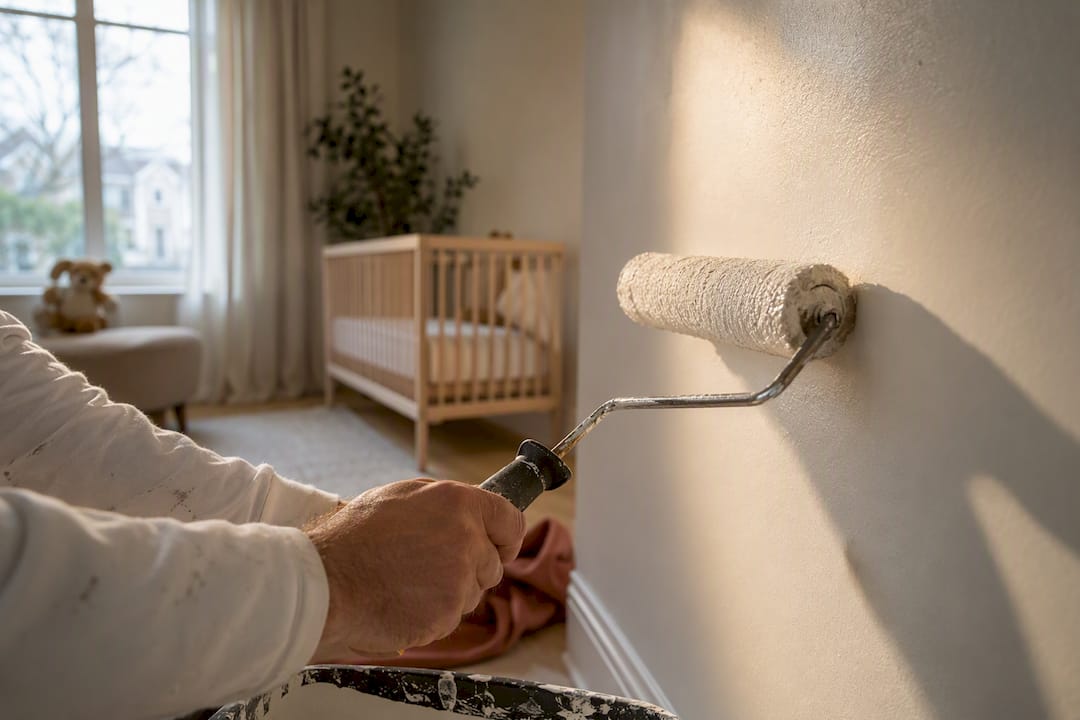
Overnight and weekend painting crews typically handle the full job cycle, not just the final coat. A standard after-hours visit covers surface prep, patching, priming, painting, detail touch-ups, and a final walkthrough before staff arrive.
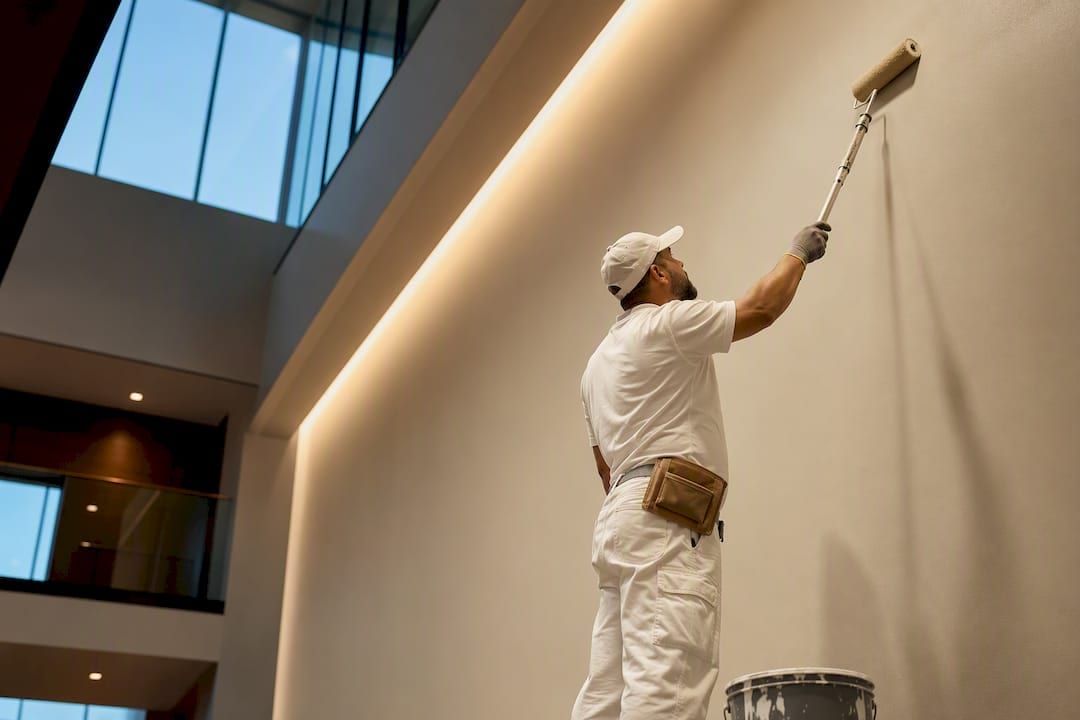
Interior work is the best fit for tight overnight windows because it’s shielded from weather and lighting is fully controllable. Exterior work can also run after hours, especially in warmer months, though it depends more on temperature and humidity than the calendar.
Common scheduling windows include:
- Weeknight evenings (after close, typically 6 PM to midnight)
- True overnight shifts (midnight to 6 AM) for 24/7 facilities like hospitals or hotels
- Full weekend closures for larger scopes
- Phased weekday shifts across several nights for occupied offices
Retail stores, medical offices, restaurants, and multi-tenant office buildings rely on these windows most often, since even a single lost business day carries a real revenue cost. One contractor’s after-hours service posting puts it plainly: most business owners can’t afford to shut down for a week while painting gets done, which is exactly why evening and weekend scheduling has become standard practice rather than a premium add-on.
How Do You Map Your Business Hours to a Workable Plan?
The planning question that matters most is simple: when is this space actually empty? Not “closed to the public,” but genuinely unused, no cleaning crews, no restocking, no security patrols through the work zone. That window defines everything else about the schedule.
Once you know your dead hours, build the plan in this order:
- Identify true downtime by department or floor, not just building-wide hours.
- Rank zones by disruption risk, lobbies and reception areas usually get finished first since they’re most visible.
- Schedule noisy prep (sanding, patching, taping) earlier in the window and quiet finish work (rolling, brushing, spraying with low-noise equipment) toward the end.
- Confirm access badges, elevator use, and who signs off on completed zones each night.
- Set an emergency contact protocol in case alarms trip or a tenant needs building access unexpectedly.
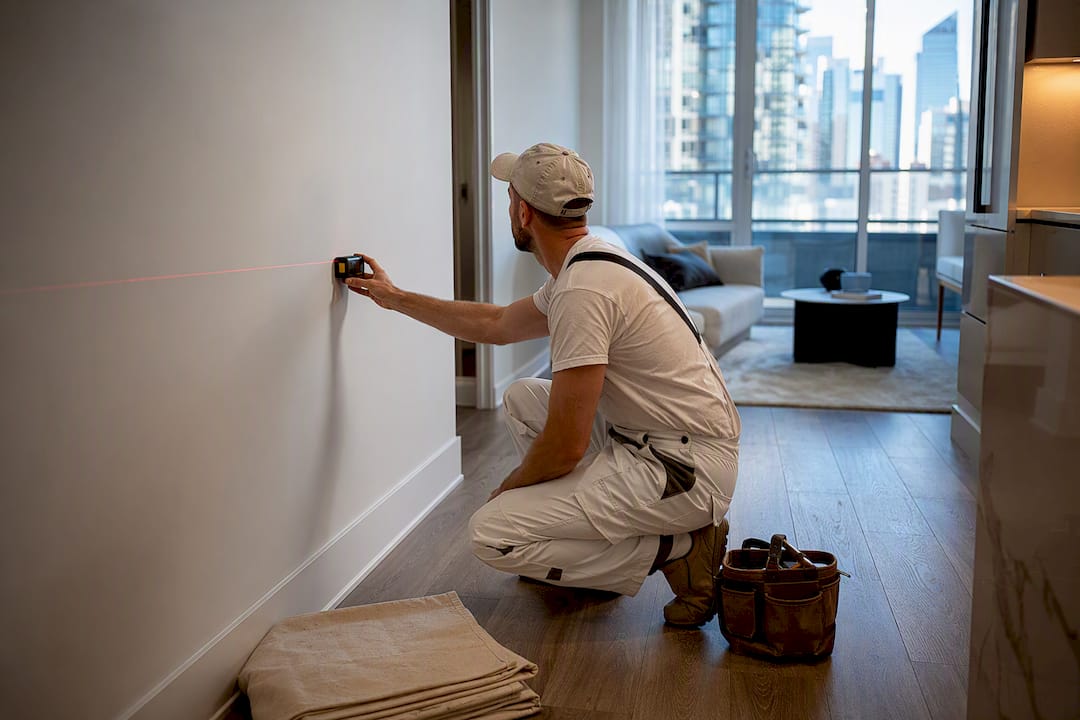
Pro Tip: Ask your contractor to walk the space with you once before work starts and mark exact zone boundaries with painter’s tape. It sounds minor, but it prevents the single most common overnight dispute: “why is there a ladder in my doorway at 7 AM?”
For multi-tenant buildings, coordinating this across several leaseholders takes real logistics planning. Sigma Painting’s guide on multi-unit painting logistics breaks down how property managers sequence tenant notifications and access.
Which Coatings Let You Reopen the Next Morning?
Low-VOC and fast-drying coatings are the reason overnight painting works at all. They minimize the lingering solvent smell that used to force businesses to stay closed for a full day or more, and they cure fast enough that a space painted at 2 AM can be furnished and occupied by 8 AM.
Before handover, a competent crew runs through a short verification process:
- An odor check, walking the space to confirm no strong solvent smell remains
- A tack-free test on multiple surfaces, not just one spot
- A ventilation check confirming HVAC or fans ran long enough to clear the air
- A visual inspection under normal lighting, not just work lights
Not every material moves this fast. Some oil-based primers, heavy-solvent specialty finishes, and epoxy floor coatings need longer dwell time regardless of ventilation, so factor that into scheduling if your project includes them. Facilities like clinics or food-service spaces often specify zero-VOC products for hygiene reasons on top of speed, a detail worth confirming with your contractor if your building falls into that category.
What Happens With Site Security and Nightly Cleanup?
The part clients notice least, and should scrutinize most, is what happens after the last coat dries. Access control comes first: badging, sign-in logs, and an escort protocol if the crew needs keys to restricted areas. A contractor who can’t describe this clearly probably hasn’t done much after-hours work.
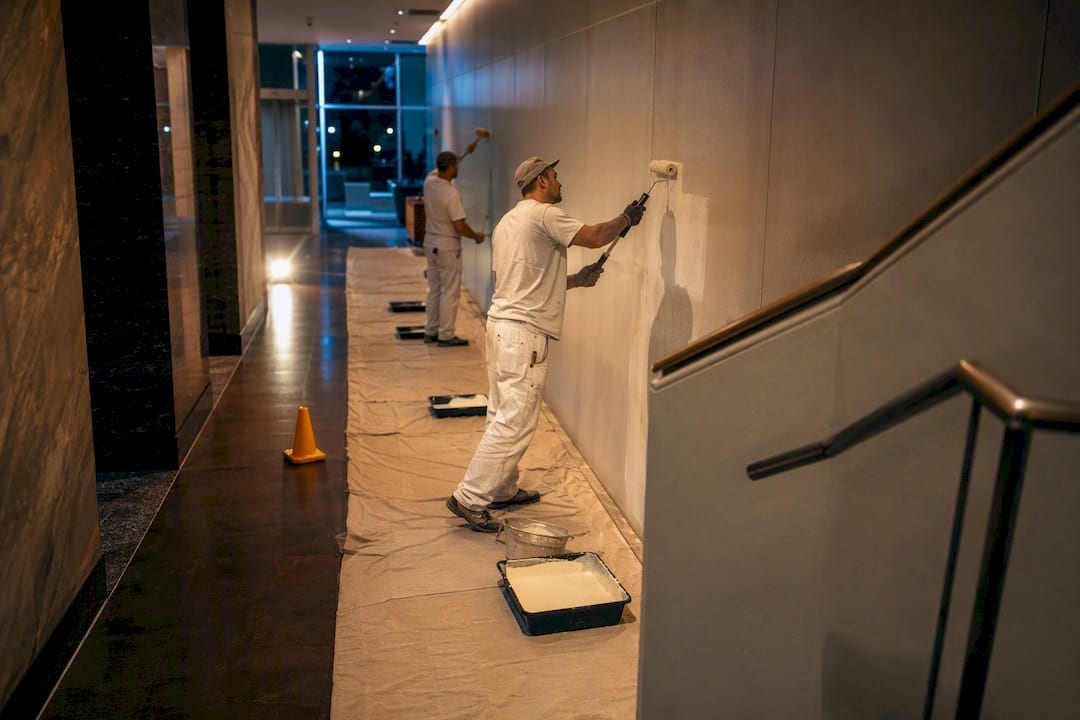
End-of-shift reset is where “we work at night” turns into an actual operational standard. That means:
- Tools and equipment packed and removed from walkways
- Drop cloths and plastic sheeting cleared, not left “for tomorrow night”
- Trip hazards and wet-paint signage addressed before the crew leaves
- The space left genuinely usable, not just empty of painters
Lighting matters more than most managers expect. Overnight crews need enough of it to catch drips and uneven coverage that daylight would reveal instantly, and enough hallway lighting to keep workers visible to any security patrol. A signed nightly handover form, confirming what was completed and that the space was reset, is standard practice among experienced contractors and worth requesting explicitly.
Pro Tip: Request photos of the space at the end of each shift, before the crew leaves. It takes them two minutes and gives you a paper trail if anything looks off in the morning.
For a real-world example of tight overnight turnovers, Sigma Painting’s hotel painting logistics case study shows how a 4 to 6 hour room turnover gets managed without disrupting guests.
How Much Does After-Hours Painting Cost, and How Long Does It Take?
Night and weekend labor usually carries a premium, often reflecting shift differentials and smaller crews working more carefully around occupied fixtures. Compare that premium against your actual cost of closing, lost sales, rescheduled appointments, tenant complaints, and it’s frequently a wash or a net win. After-hours scheduling can stretch the calendar timeline since crews work fewer hours per visit, but it doesn’t automatically raise the total project cost once you factor in avoided downtime.
Rough duration ranges for planning purposes:
- A 1,000 square foot suite: 1 to 3 overnight shifts
- A full office floor: multiple nights or several phased weekends
- A multi-tenant common area: typically scheduled around each tenant’s specific closed hours
To make quotes genuinely comparable, ask every bidder for the same breakdown: labor hours per shift, any night or weekend premium, exact material specifications (brand, VOC rating, coat count), and what’s included in nightly cleanup. Two quotes that look similar on price can hide very different scopes once you check these line items.
How Do You Choose the Right After-Hours Contractor?
Vetting an after-hours contractor takes a bit more scrutiny than a standard daytime bid, since you’re trusting them with building access when nobody else is around. Run through this checklist before signing:
- Request a current certificate of insurance and confirm it covers the work site directly.
- Ask for references specifically from after-hours or occupied-space projects, not just any past client.
- Get a written night-shift plan showing zones, sequencing, and estimated completion per shift.
- Review the exact materials list, brand, VOC rating, and dry times, not a vague “premium paint” line.
- Confirm the site-handover checklist and who signs off each night.
- Save emergency contact numbers for the crew supervisor, not just a general office line.
Trust signals worth weighing heavily include a documented portfolio of similar commercial jobs, a written workmanship warranty, supervised crews (not unsupervised subcontractors), and a firm schedule commitment in writing. Checking a contractor’s reputation and complaint history through a listing like the Better Business Bureau takes ten minutes and tells you a lot.
Red flags are just as telling: a contractor who won’t provide a COI, dodges reference requests, or describes cleanup as “we’ll leave it tidy” instead of a specific checklist. Vague answers at the bidding stage tend to predict vague execution at 2 AM.
Why Sigma Painting Fits This Standard for Commercial Work
Sigma Painting builds its commercial process around the same standards outlined above: written estimates, a documented workmanship warranty, and premium materials selected for the specific space rather than a one-size-fits-all product. Its commercial painting work across the Greater Toronto Area includes phased scheduling designed to keep operations running, paired with transparent, fixed pricing so property managers know the cost before the first shift starts.
The written estimate, the warranty, and the site-handover approach line up directly with the vetting checklist above, which is the point: a contractor’s claims should be checkable, not just stated.
What the Vetting Checklist Misses
Most advice on this topic stops at “hire someone who works nights,” as if availability were the hard part. It isn’t. Plenty of crews will show up at 9 PM. Far fewer can hand you a zone-by-zone plan that shows exactly what gets finished by 3 AM and what waits for night two.
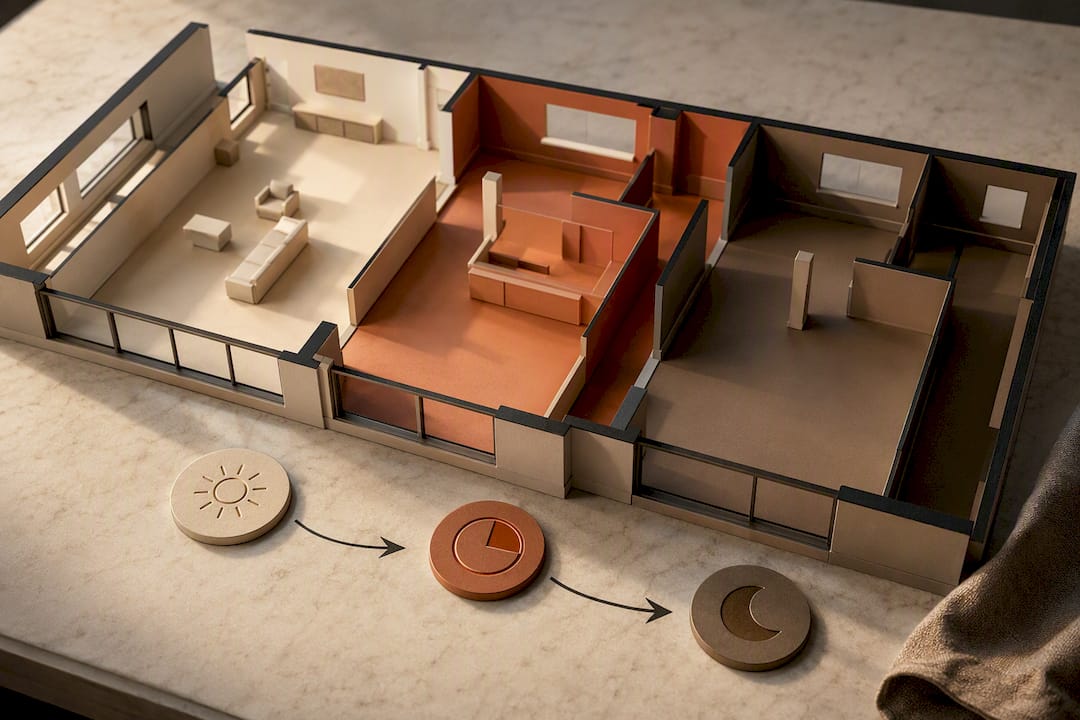
The checklist in this guide matters, but the real differentiator is the handover discipline behind it. A signed nightly form, a photo record, a specific odor and tack-free check before anyone leaves, that’s the difference between “we painted at night” and “your staff walked in Monday and never knew we were there.” Property managers who focus only on price per square foot and ignore this operational layer end up with the thing they were trying to avoid: a lobby that still smells like paint at 8 AM, or a hallway with a ladder nobody moved.
If there’s one thing worth prioritizing first, it’s asking for the night-shift plan before asking for the price. A contractor who can produce one probably has the rest figured out too.
— Enrico
Ready to Schedule Your After-Hours Painting Project?
A professional painting contractor can handle after-hours commercial repainting with phased scheduling and nightly handover discipline, providing a written plan for each shift.

To get a quote, send over your preferred off-hours windows, approximate square footage for each area, a few photos or a floor plan, and any building access instructions your security team requires. From there, expect a site visit, a written night-shift plan, proof of insurance, and a scheduled final walkthrough before your team ever notices a paintbrush. Browse the full range of commercial painting services or run your numbers through the instant quote calculator to get a fixed estimate before you commit to a schedule.
Sources
- After-Hours Commercial Painting: How to Repaint Without Closing Your Business - Nomad Coatings
- BBB listing for a commercial painting contractor (example)
FAQ
What do most painters charge hourly?
Hourly rates vary widely by region, project scope, and whether the work happens during standard hours or off hours with shift premiums attached. Sigma Painting provides fixed, written quotes after a site visit rather than hourly billing, so you know the total cost before work begins, and current pricing details are available directly through its services page.
How much should I pay a painter per day?
Daily rates depend heavily on crew size, scope, and whether the job runs during the day or after hours with a shift premium attached. The more useful comparison for commercial jobs is total project cost against the revenue you’d lose by closing, which often makes after-hours pricing a wash rather than a straightforward markup.
How much should it cost to paint 1,000 square feet?
Cost for a 1,000 square foot commercial space depends on surface condition, coating type, and whether the job is phased across multiple overnight shifts. Expect roughly one to three overnight shifts for a space that size, with the exact price confirmed through a fixed quote after a site visit.
Can commercial spaces really reopen the next morning after painting?
Yes, when contractors use low-VOC, fast-drying coatings and complete proper ventilation and tack-free checks before leaving. Fast-cure coatings significantly reduce lingering odor and cure time, which is what makes next-morning reopening realistic for most interior work.
What should I ask for before hiring an after-hours painting contractor?
Request a certificate of insurance, a written night-shift plan, references from prior after-hours projects, and a specific nightly cleanup and handover checklist. Contractors who hesitate on any of these items are worth reconsidering, since after-hours work depends entirely on trustworthy access and cleanup practices.