
Warrantied in writing

View our warranty
Exterior wood guide

Should You Paint Pressure-Treated Wood?

A practical guide to choosing a finish for pressure-treated wood on decks, fences, and outdoor structures.

Request an Estimate
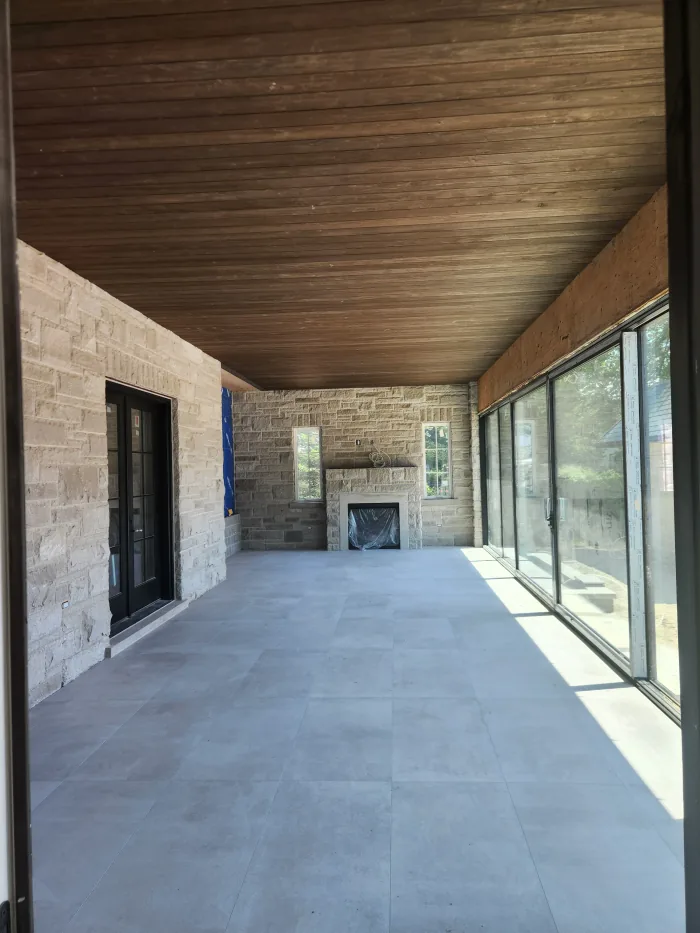
Documented outdoor living area with finished wood ceiling and stone details
Quick answer

Pressure-treated wood can be painted or stained after it is dry enough and the surface is prepared for a compatible exterior system. Do not choose the finish by a calendar alone: water behaviour, moisture, wood condition, exposure, and whether the surface is a deck, fence, or trim all affect the right plan.

Last reviewed
September 4, 2026
Written for
GTA homeowners and project teams comparing a real painting scope.

Give new wood time to become finish-ready

New pressure-treated lumber can hold moisture from treatment and storage. A finish applied before the wood is ready can have trouble bonding or curing as intended. Instead of relying on a universal number of weeks, assess the product guidance, current weather, wood condition, and whether water is still beading or soaking into the surface.

Fresh boards may also have mill glaze, dirt, markings, or raised grain. Cleaning, appropriate drying, and light preparation can be needed before the selected finish is applied.

Decks and fences do not age the same way

Deck boards receive foot traffic, furniture movement, standing water, snow, and direct UV, so they need a system chosen for a horizontal walking surface. Fence boards are vertical, often dry differently, and may be more practical to paint or stain depending on the desired opacity and existing condition.

The finish should be selected around the actual component, not only the word “pressure-treated.” A railing, a privacy fence, a deck board, and exterior trim can be structurally similar wood but have very different performance requirements.

Build the plan around water and maintenance

Correcting drainage, failed fasteners, soft boards, uneven wear, and structural issues comes before cosmetic coating. Then the quote should identify washing, sanding or spot preparation, dry-time assumptions, product system, coat count, weather conditions, and the plan for later inspection.

Whether you choose paint or stain, exposure determines how often attention will be needed. Treat “maintenance free” as a warning sign rather than a promise worth paying for.

  • Check for standing water and board damage before finishing.
  • Let the selected product’s dry-surface requirements guide scheduling.
  • Use a deck-rated system on horizontal walking surfaces.
  • Plan future cleaning and inspections around the exposure of each elevation.

Evidence behind the advice

Compare the written scope with real work, independent reviews, and the warranty terms that apply to the selected coating system.

Questions people ask

Can I paint pressure-treated wood right away?

New pressure-treated lumber often needs time and preparation before coating. The right timing depends on the wood, treatment, storage, weather, and selected product. Confirm that the surface meets the coating system’s dry-surface requirements before starting.

Is paint or stain better for pressure-treated wood?

Either can be appropriate when it is compatible with the wood and the planned use. The choice should account for the desired look, deck versus fence exposure, prior coatings, preparation, and maintenance expectations.

Why is my deck finish peeling?

Peeling can come from moisture, poor adhesion, insufficient preparation, a product used outside its intended application, or failure in a previous coating layer. Inspect the wood and the existing finish before recoating.

Ready for a Flawless Finish?

Schedule your complimentary on-site estimate today. No obligation, no pressure — just honest advice and a clear quote.

Call Now · 289-988-1318