Published: September 8, 2026. Reviewed by: Sigma Painting project team.
Quick answer: A broad interior scope for a 3,000-square-foot detached or custom home commonly falls around $9,000–$16,000 in labour planning range. A 4,000-square-foot high-detail home commonly falls around $12,000–$25,000+ in labour planning range. Paint and finish materials may be billed separately, and neither figure is a fixed quote.
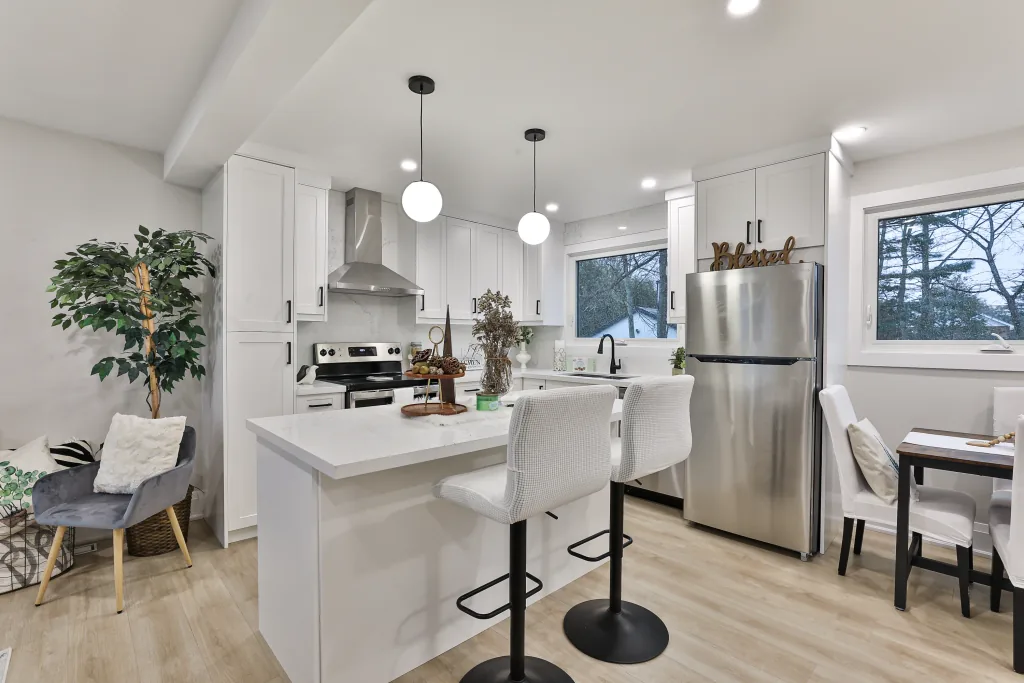
The cost to paint a 3,000- or 4,000-square-foot luxury home in Toronto cannot be set by floor area alone. A large house may have standard eight-foot ceilings and sound walls, or it may have vaulted rooms, long sightlines, detailed millwork, multiple staircases, designer colours, cabinetry, and surfaces that need to be inspected under critical light. Those are different painting projects even when the address has the same square footage.
The planning figures below are intended to give you a useful starting point for a conversation. They are not a promise to paint every home for one fixed amount, and they are not presented as a statistical analysis of a verified estimate sample. The final number should come from a measured review and a written scope that states the preparation, coating system, protection, schedule, and material assumptions.
Planning Ranges for 3,000- and 4,000-Square-Foot Homes
| Home size | Planning range | What it broadly assumes | What can push it higher |
|---|---|---|---|
| 3,000 sq. ft. detached or custom home | $9,000–$16,000 | Broad walls, ceilings, trim, and doors; final range depends on condition, height, colours, occupancy, and detail | Extensive millwork, vaulted spaces, heavy repairs, specialty finishes, or complex protection |
| 4,000 sq. ft. high-detail home | $12,000–$25,000+ | Estate-scale interior scope with more rooms, access, trim, and inspection time | Large millwork packages, multiple staircases, critical light, builder coordination, or a phased occupied-home schedule |
These are labour planning ranges for a broad interior painting scope. Paint, primer, caulk, and other finish materials should be identified separately in the written estimate. Some contractors quote an all-in number, while others separate labour and materials; neither format is automatically better as long as the assumptions are clear.
Why Floor Area Is Only the Starting Point
A square-foot number describes the size of the floor, not the amount of work on the walls, ceilings, trim, doors, stairs, closets, built-ins, or cabinetry. Two homes with 4,000 square feet of floor area can have very different paintable surfaces and very different access conditions.
A good estimate accounts for the actual surfaces. It should distinguish walls from ceilings, trim from doors, fixed cabinetry from removable doors, and standard rooms from tall or vaulted spaces. It should also state whether the home is empty, occupied, furnished, or being completed as part of a builder schedule.
Six Cost Drivers That Matter in a High-End Home
- Ceiling height and access. Eight-foot rooms are not the same as nine- or ten-foot rooms, vaulted ceilings, open-to-above spaces, or a 20-foot foyer. Taller spaces add setup, ladder or lift work, protection, and inspection time.
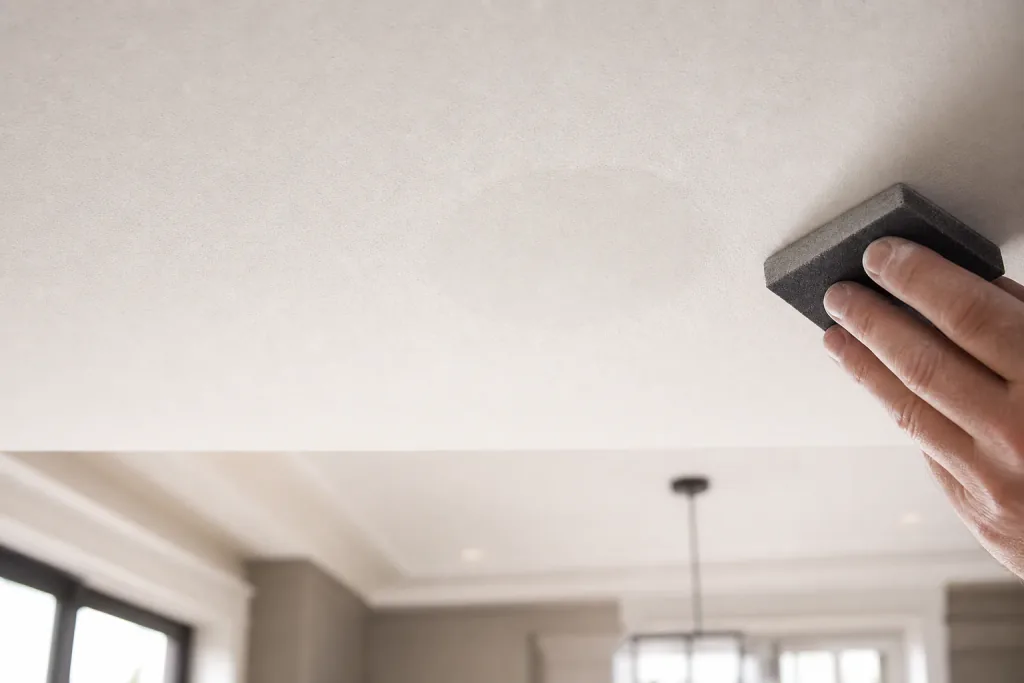
- Surface condition. Nail pops, dents, cracks, failed caulk, water stains, old wallpaper paste, glossy coatings, rough repairs, and porous drywall all need a defined preparation response. Paint does not correct movement, moisture entry, rot, or an unstable coating underneath.
- Trim, doors, and millwork. A walls-only repaint is a different scope from walls plus baseboards, crown, doors, panelling, built-ins, and cabinetry. Repeated profiles and long sightlines also make sanding and sheen consistency more visible.
- Colour changes. Deep, saturated, or very clean colours may need tinted primer, extra coats, sample approval, or a different product system. The quote should state the assumed starting and final colours rather than treating every change as equivalent.
- Occupancy and protection. An empty home can be sequenced more efficiently than a furnished home with furniture, art, stone, glass, hardware, children, pets, and daily circulation to protect. The protection plan is part of the labour, not an optional detail.
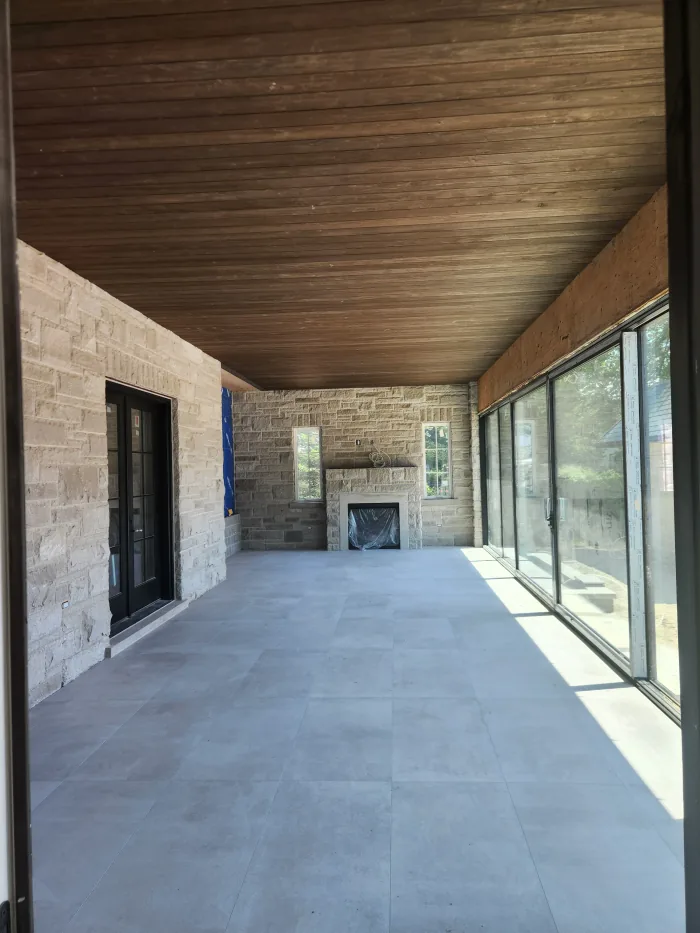
- Specialty finishes and builder coordination. Venetian plaster, limewash, microcement, sprayed millwork, and designer specifications need their own samples, tools, sequencing, and inspection expectations. A custom build may also require drawings, finish schedules, site meetings, and trade handoffs.
How the Scope Changes the Labour
A planning model can show why two homes with the same floor area produce different numbers. Starting with walls only, adding trim and doors commonly adds about 25% to labour, while adding ceilings moves the scope to about 50% above walls only. Tall nine- or ten-foot ceilings can add about 15%, vaulted or cathedral spaces about 25%, some patching about 15%, and heavy repair and preparation about 35%.
These adjustments are not a substitute for a quote. They are a way to understand why a 3,000-square-foot home with standard ceilings and good walls can cost less than a smaller home with extensive panelling, or why a 4,000-square-foot estate with simple walls may cost less than one with multiple stairwells and a large sprayed millwork package.
For broader room-by-room and whole-home planning figures, see the GTA interior painting cost guide. It covers standard home sizes and common scopes; this article focuses on the high-end decisions that make large custom-home quotes diverge.
What a High-End Painting Quote Should Include
A useful quote is specific enough that the homeowner, designer, builder, and painter are describing the same project. Look for these items before comparing totals:
- Rooms, elevations, and individual surfaces included
- Repairs and preparation by substrate, including sanding, filling, caulking, and priming
- Primer, topcoat, product line, sheen, colour assumptions, and coat count
- Application method for walls, trim, doors, cabinetry, and specialty finishes
- Floors, furniture, stone, glass, hardware, cabinetry, and adjacent-room protection
- Access equipment, setup, ventilation, material storage, and cleanup
- Schedule, crew supervision, dry time, cure time, trade handoffs, and inspection points
- Material inclusions, material allowances, or confirmation that paint and consumables are billed separately
- Exclusions, change process, payment terms, closeout, and written warranty
A quote that only says “paint the house” is not necessarily wrong, but it is not detailed enough for a high-end comparison. Ask the painter to turn assumptions into line items before work begins. That is how you avoid discovering that one quote included ceilings, doors, and repairs while another included walls only.
What Should You Expect to Pay for a High-End Painter?
High-end painting is priced around the work required to deliver the finish, not just the time spent rolling walls. The price may reflect sample boards, extra preparation, fine sanding, controlled spraying, complex masking, access equipment, protection of finished surfaces, project supervision, builder or designer coordination, phased scheduling, and formal deficiency closeout.
Ask whether the quote is hourly, fixed-price, labour-only, or all-in. A fixed written scope is usually the clearest way to compare a high-detail home because it states what the contractor is responsible for and what happens when site conditions differ from the original assumptions. Sigma's luxury painter selection guide explains the evidence to request before you hire.
Common Questions About Large-Home Painting Costs
How much does it cost to paint a 3,000-square-foot luxury home in Toronto?
A broad interior scope commonly falls around $9,000–$16,000 in labour planning range. Extensive millwork, tall or vaulted ceilings, heavy preparation, a large door and trim package, specialty finishes, or a furnished-home schedule can move the project higher. Paint and finish materials should be identified separately in the quote.
How much does it cost to paint a 4,000-square-foot luxury home in Toronto?
A high-detail 4,000-square-foot home commonly falls around $12,000–$25,000+ in labour planning range. Estate-scale access, detailed millwork, multiple staircases, critical lighting, specialty finishes, and builder coordination can place the final scope above that planning range.
Is square-foot pricing reliable for a high-end home?
It can be a rough planning tool, but it is not enough to approve a quote. Floor area does not show ceiling height, trim volume, wall condition, access, occupancy, protection, or specialty work. Use a square-foot figure to start questions, then compare a measured scope.
Are materials included in the price?
Sometimes, but not always. The estimate should state whether paint, primer, caulk, consumables, and specialty materials are included, allowed for, or billed separately at cost. Compare the same basis across every contractor.
How to Get a Project-Specific Number
Start with the painting quote calculator if you need an early planning range, then provide the painter with the information that affects the actual work: floor plans or room list, ceiling heights, photos of the current surfaces, finish schedule, desired colours, millwork or cabinetry details, occupancy, access, and target dates.
Sigma Painting reviews the home on site before preparing a written estimate. For a 3,000- or 4,000-square-foot luxury home, request the luxury residential painting service when the project includes detailed trim, custom-home coordination, millwork, cabinetry, or specialty finishes, and book a free on-site estimate when you are ready to compare the real scope.