
Warrantied in writing

View our warranty
Bathroom painting guide

How to Choose the Best Paint for a Bathroom

A practical homeowner guide to choosing paint for bathroom walls, ceilings, trim, and repairs without mistaking product marketing for a full coating plan.

Request an Estimate
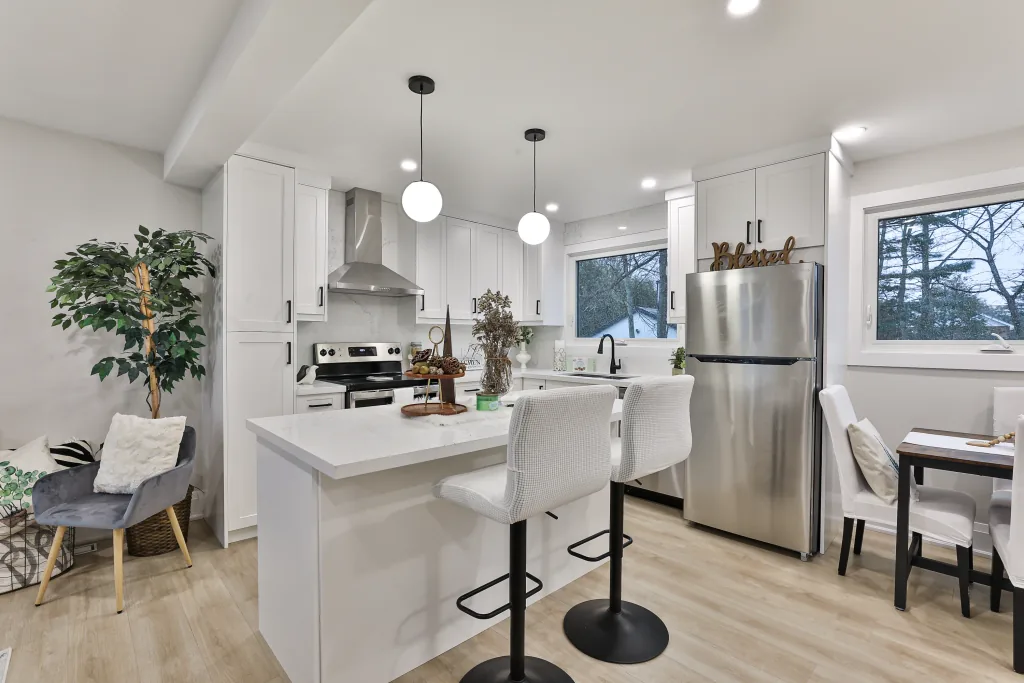
Documented Sigma Painting interior with clean white walls and warm wood details
Quick answer

The best bathroom paint is a coating system matched to the surface and the room’s moisture conditions, not simply the label with the strongest mildew claim. Use a durable, washable finish appropriate for bathroom walls and trim, prepare and prime repairs correctly, and address ventilation or persistent moisture before repainting.

Last reviewed
September 4, 2026
Written for
GTA homeowners and project teams comparing a real painting scope.

Start with the surface, not the colour card

Bathroom walls, ceilings, trim, cabinets, and previously repaired drywall do not all need the same preparation or sheen. Walls usually need a durable finish that can be cleaned; trim needs a harder-wearing coating; patched areas often need primer so they do not flash through the final coat.

Before choosing a product, identify what is being painted and whether there is peeling, staining, failed caulk, soft drywall, or recurring mildew. Paint should finish a sound, dry surface—it should not be used to conceal an unresolved leak or inadequate ventilation.

Sheen is a practical decision

Higher-sheen finishes generally wipe more easily, but they also reflect more light and expose wall defects. Many bathrooms need a balance between cleanability and how smooth the wall is. Trim and doors usually tolerate a more durable, higher-sheen system than the walls.

A good quote names the selected sheen by surface rather than applying one finish everywhere. That makes touch-ups, future cleaning, and visual expectations easier to manage.

Preparation protects the result

Clean residues from soap, hairspray, and moisture before coating. Repair damaged drywall, allow repairs to dry, sand them smooth, and prime patches according to the chosen system. Replace failed caulk where the existing joint and material allow it, then let it cure as specified.

If a bathroom repeatedly fogs up or develops staining, solve the source first. Repainting is worthwhile once the surface is stable and the room can dry between uses.

  • Wash and dry surfaces before sanding or priming.
  • Prime repairs and stains instead of relying on extra topcoats.
  • Confirm cure time before returning the room to heavy steam and cleaning.

Evidence behind the advice

Compare the written scope with real work, independent reviews, and the warranty terms that apply to the selected coating system.

Questions people ask

What sheen is best for a bathroom?

The right sheen depends on the condition of the wall and how the room is used. Bathroom walls often need a washable finish, while trim and doors commonly use a more durable finish. A smoother wall supports a higher sheen more successfully than a wall with visible repairs.

Do I need special primer in a bathroom?

Primer is useful for repairs, stains, bare drywall, colour changes, and surfaces where adhesion needs to be established. The right primer depends on the existing surface and the selected topcoat; it is not a universal substitute for solving moisture problems.

Can paint fix bathroom mildew?

No. Clean and address the moisture source, leak, or ventilation issue first. Once the surface is sound and dry, the room can be prepared and repainted with a system appropriate for its use.

Ready for a Flawless Finish?

Schedule your complimentary on-site estimate today. No obligation, no pressure — just honest advice and a clear quote.

Call Now · 289-988-1318